Water Transfer Paper Sheets for Polymer: A Practical Guide to Enhancing Creative Projects
Water transfer paper sheets for polymer clay offer a unique and efficient way to apply intricate designs, especially floral motifs, to your handmade creations. These digital papers are not only versatile but also designed to fit seamlessly into the workflow of artists, crafters, and small business owners who want to elevate their projects with professional-grade aesthetics. Whether you're creating jewelry, decorative items, or custom gifts, understanding how these water transfer papers integrate into your process can save time, enhance quality, and expand creative possibilities.
Understanding Water Transfer Paper for Polymer Clay
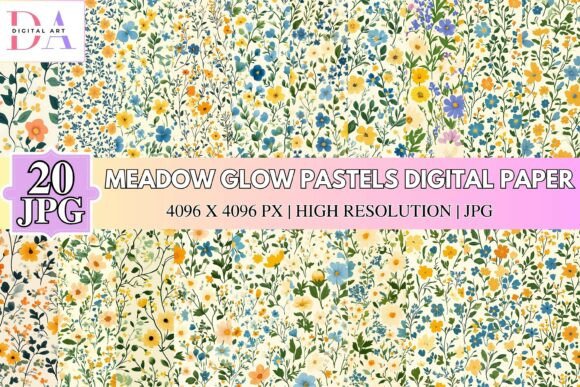
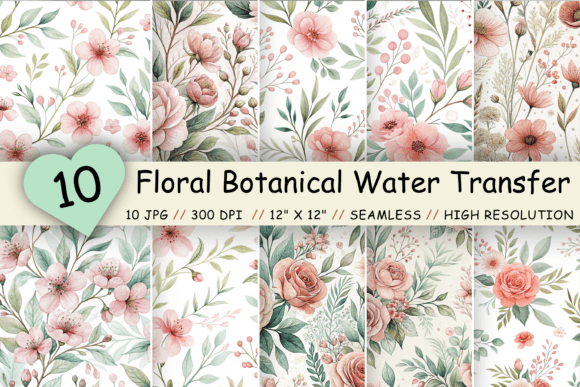
Water transfer paper is a specialized type of printable sheet used in crafts like polymer clay art. The technique involves printing the design onto the paper, then transferring it onto a moist surface—often polymer clay—to create a smooth, detailed finish. This method is particularly popular among artists looking to add complex patterns without the need for hand-painting or carving. With Flower Premium Digital Papers, you have access to 10 high-quality background designs that are ideal for such applications.
The key attributes of these digital papers include:
- Seamless Patterns: Each design is crafted to repeat without visible seams, ensuring a continuous look when printed and transferred.
- High Resolution: At 300 dpi, the images are crisp and clear, making them suitable for both large and small-scale prints.
- JPG Format: The files are provided in a widely compatible format, perfect for most printers and editing software.
- Dimensions: Each file is sized at 12 x 12 inches (3600 x 3600 pixels), offering flexibility for various project sizes.
When to Use Water Transfer Paper Sheets in Your Workflow
Integrating water transfer paper sheets for polymer into your creative process requires careful planning. Here’s how they can be used before, during, and after your project:
Preparation Phase
Before beginning any polymer clay project, consider what kind of design will best complement the final piece. Using flower digital paper backgrounds early on allows you to visualize the outcome and make informed decisions about color schemes, shapes, and textures. You can download the zipped file containing all 10 designs and organize them based on the theme of your upcoming work. This step ensures that you’re ready to print and transfer as soon as your clay pieces are prepared.
During the Creation Process
Once your polymer clay item is shaped and conditioned, it's time to apply the design. Print the chosen pattern using a high-quality printer on the appropriate transfer paper. Submerge the printed side into water until the backing dissolves, then gently press the pattern onto the clay surface. This stage is where precision matters most—ensuring the paper aligns correctly and adheres smoothly will result in a polished finish. The seamless nature of the flower patterns makes alignment easier, reducing the chance of visible breaks or overlaps.
Post-Production Use
After the design has been applied and the clay has been baked according to manufacturer instructions, you may choose to refine the look further. Some creators layer additional elements like metallic paints or glazes over the transferred pattern to enhance depth and contrast. In this phase, having a variety of premium digital papers means you can experiment with different combinations and styles without starting from scratch each time.
Compatibility and Tools
To use water transfer paper sheets for polymer effectively, you’ll need a few compatible tools:
- A standard inkjet printer capable of printing on specialty paper.
- Transfer paper specifically designed for water-soluble backing.
- Clean, still water for submerging the paper.
- Polymer clay that is properly conditioned and shaped.
These materials are typically easy to source and affordable, which makes the technique accessible to hobbyists and professionals alike. It’s also important to note that the success of the transfer depends on the compatibility between the paper, ink, and oven-bake clay. Always test a small sample before applying the design to your main project to ensure there are no unexpected reactions.
Workflow Integration Tips
Here are some practical suggestions for incorporating flower premium digital papers into your creative routine:
- Plan Ahead: Decide which design fits your project theme and mood before starting the clay shaping process. This helps maintain consistency across multiple pieces if you're working on a batch.
- Print in Batches: Since the package includes 10 JPG files, print several sheets at once to streamline the application process later.
- Use Proper Lighting: When aligning the paper on the clay, good lighting is essential. Natural light or a desk lamp can help you see fine details clearly.
- Store Digitally: Keep the digital files organized in a folder labeled by theme or project type. This makes future reference and reuse much more efficient.
- Experiment with Layouts: Don’t feel limited to full-pattern coverage. Try tiling, partial overlays, or combining multiple designs for a personalized touch.
Design Considerations and Best Practices
Because these are seamless digital paper patterns, they lend themselves well to repetition and customization. However, to maximize usability, consider the following:
- Color Matching: Choose a pattern that complements the color of your polymer clay. Darker clays may require lighter or bolder designs for visibility.
- Pattern Orientation: Rotate or flip the design in your editing software before printing to match the shape of your clay piece.
- Resolution Retention: Avoid scaling the image beyond its original size unless necessary. Maintaining 300 dpi ensures sharpness and clarity.
- Test Before Committing: Especially if you're new to the technique, always test the transfer on a scrap piece of clay first.
One of the biggest advantages of using AI-generated water transfer paper sheets is the level of detail and consistency they provide. Unlike hand-drawn or manually repeated patterns, these digital designs eliminate guesswork and allow for uniform results across multiple projects. This is particularly useful when creating product lines for sale or custom orders that require matching aesthetics.
Long-Term Use and Organization
If you plan to use flower premium digital papers regularly, consider setting up a system for long-term organization. For example:
- Create a dedicated folder for each category of design (e.g., birthdays, weddings, seasonal themes).
- Backup the zipped file to an external drive or cloud storage for easy access and disaster prevention.
- Label printed sheets clearly so you can identify which pattern corresponds to which file.
This structured approach not only improves efficiency but also ensures that you don’t waste time searching for the right design when inspiration strikes. Over time, you'll build a library of go-to patterns that can be reused and reimagined for new projects.
Quality Control and Troubleshooting
Even with high-resolution digital files, achieving the best results requires attention to detail. If the transferred design doesn't appear as expected, here are a few troubleshooting steps:
- Check Ink Drying Time: Allow the printed design to dry completely before submerging it in water. Wet ink can smudge or bleed.
- Ensure Even Coverage: After placing the paper on the clay, use a soft brush or sponge to gently press out air bubbles and ensure even adhesion.
- Adjust Water Temperature: Warm water can speed up the dissolution of the backing paper, while cold water gives you more control over the transfer timing.
- Trim Excess Paper: Once the design is in place, carefully cut away the excess paper using a pair of scissors or a craft knife.
By maintaining consistent practices and being mindful of these variables, you can significantly reduce errors and improve the overall quality of your finished products.
Real-World Applications and Use Cases
Water transfer paper sheets for polymer are more than just decorative—they can serve functional and aesthetic purposes in a range of projects:
- Jewelry Design: Add floral patterns to pendants, earrings, or brooches for a refined, natural look.
- Home Decor: Create coasters, wall hangings, or candle holders with elegant, repeating flower motifs.
- Event Invitations: Use the same digital paper in printed invitations or packaging to create a cohesive brand experience.
- Scrapbooking and Cards: The seamless patterns can be printed directly onto cardstock or used as part of layered designs.
- Business Branding: Small businesses can incorporate these designs into product labels, tags, or promotional materials for a consistent visual identity.
In all these scenarios, the ability to quickly and reliably apply high-quality designs is a major asset. Whether you're crafting for personal enjoyment or producing items for sale, Flower Premium Digital Papers offer a streamlined solution that enhances both creativity and productivity.
Why Seamless Matters
A seamless pattern is one that can be tiled infinitely without showing a seam or break. This is crucial when using water transfer paper sheets because it allows the design to wrap around the shape of your clay object naturally. Unlike non-seamless designs, which may leave gaps or noticeable edges, these AI-created patterns ensure a clean, professional appearance every time.
For instance, if you're making a round pendant, a seamless flower pattern will tile perfectly around the edge, avoiding the awkward look of a cut-off design. This feature alone makes them invaluable for anyone aiming to produce polished, market-ready items without spending hours adjusting individual graphics.
Staying Updated and Expanding Your Collection
The world of digital design is constantly evolving, and having access to updated resources is essential. Many creators who rely on water transfer paper for polymer clay recommend checking for new patterns periodically. By hitting “follow” on platforms or accounts that share similar resources, you can stay ahead of trends and continue to grow your creative toolkit organically.
Consider building a routine where you review and download new digital papers every month. This habit keeps your work fresh and ensures you always have something new to inspire your next project. And since the Flower Premium Digital Papers are already optimized for printing and seamless layout, they’re a great starting point for establishing this practice.
Final Thoughts on Workflow and Creativity
Using water transfer paper sheets for polymer isn’t just about adding beauty—it’s about integrating a reliable tool into your artistic process. From preparation to post-production, these digital papers support efficiency, consistency, and quality. Their high resolution, seamless structure, and thematic versatility mean you can focus more on execution and less on trial-and-error adjustments.
As with any resource, the value comes from how you apply it. Take time to understand the technique, experiment with placement and style, and find ways to make it work within your existing workflow. Over time, you'll likely discover new methods, combinations, and creative uses that weren’t initially obvious.
Ultimately, the goal is to simplify the complex and turn inspiration into reality. Whether you're designing for personal fulfillment or commercial success, these flower-themed digital papers can be a powerful addition to your toolkit. Just remember to plan carefully, test thoroughly, and keep refining your process as you go.