Tropical Hibiscus Plumeria Pattern: A Vibrant Addition to Your Design Workflow
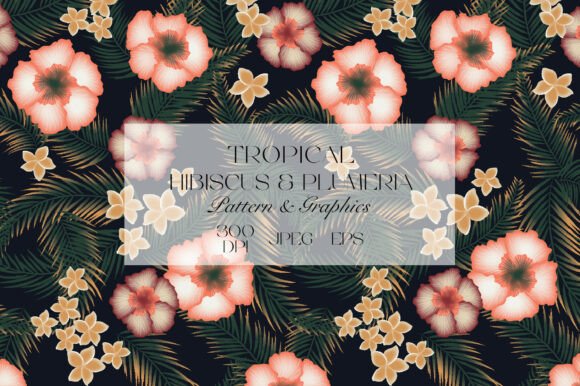
The Tropical Hibiscus Plumeria Pattern is a stylized design featuring bold, colorful summer flowers that evoke the warmth and beauty of tropical climates. This pattern combines the vibrant hibiscus with the elegant plumeria, creating a visual motif that’s both eye-catching and versatile. Whether you're working on fashion, home décor, or print media, this pattern can add a unique touch to your projects while maintaining seamless integration across various applications.
Understanding the Tropical Hibiscus Plumeria Pattern
At its core, the Tropical Hibiscus Plumeria Pattern is more than just an aesthetic choice—it's a functional design element that supports creativity in multiple industries. The stylized nature of the flowers allows for adaptability, making it suitable for everything from fabric printing to digital backgrounds. Its 300dpi JPEG preview ensures high-quality visuals for initial evaluations, while the included EPS file provides scalability for professional use.
This pattern isn’t just about color and form; it's also about usability. The repeating elements are carefully arranged to create a seamless look, which means there are no visible edges when tiled. This feature is particularly important for textiles and wallpapers where continuity is essential to the final product’s appeal.
Preparation: Choosing the Right Format for Your Needs
Before integrating the Tropical Hibiscus Plumeria Pattern into your project, consider the format that best suits your workflow. The JPEG preview is ideal for quick assessments and mockups, especially if you’re designing for web-based platforms or social media. However, for any scalable application—such as fashion prints or large-format signage—the EPS file is the preferred option due to its vector-based structure.
For textile designers, compatibility with dye-sublimation, screen printing, and digital embroidery systems should be evaluated. For digital creators, ensuring that the pattern works well with software like Adobe Illustrator, Photoshop, or Inkscape will streamline the implementation process. It's also wise to test the pattern on different materials and surfaces before full production to ensure color accuracy and durability.
Integration into Creative Projects
One of the most powerful aspects of the Tropical Hibiscus Plumeria Pattern is its ability to enhance a variety of creative outputs. Here’s how it fits into different workflows:
- Fashion Design: Use the pattern for t-shirts, swimwear, or even accessories like scarves and hats. Its bright colors and organic shapes work well in casual and resort wear collections.
- Home Décor: Apply the pattern to curtains, pillow covers, or wallpaper. The seamless tile makes it easy to cover larger spaces without visible breaks.
- Print Materials: Incorporate the design into greeting cards, wrapping paper, or packaging. The floral theme aligns perfectly with seasonal marketing efforts, especially around summer events and holidays.
- Digital Assets: Utilize the JPEG preview for website headers, blog posts, or promotional banners. The EPS version can be layered with other graphics for custom designs.
In each case, the pattern acts as a foundational element that can be adapted through color changes, scaling, and layering. For example, a marketer might overlay brand logos or text onto the pattern for event invitations, while a textile designer could adjust the scale and saturation to suit different fabrics.
Workflow Examples and Practical Tips
Let’s explore some real-world scenarios where the Tropical Hibiscus Plumeria Pattern can be used effectively:
- Product Launch for a Fashion Brand: During the early planning phase, the pattern can be sketched onto sample garments using the JPEG preview for presentation. Once approved, the EPS file is scaled and printed onto fabric for prototypes and final products.
- Interior Designer’s Project: As part of a room renovation plan, the pattern could be used for accent walls or custom cushions. The designer may start by applying the JPEG in a mood board, then switch to the EPS for precise measurements and layout planning.
- Graphic Designer’s Print Campaign: When developing a summer-themed campaign, the pattern can serve as a background for flyers, posters, or brochures. It can be combined with minimal typography to highlight key messages without overwhelming the viewer.
To implement the pattern efficiently, store it in a centralized asset folder along with other design files. Label the EPS and JPEG versions clearly so they’re easily accessible during the creative process. If you’re working in a team environment, establish guidelines for usage to maintain consistency in branding and output quality.
Enhancing Versatility Through Customization
While the Tropical Hibiscus Plumeria Pattern offers a strong base, customization can help it better align with specific project goals. Consider the following adjustments:
- Color Variations: Recolor the pattern to match your brand palette or seasonal themes. Using tools like Adobe Illustrator, you can tweak hues and shades to fit your vision.
- Pattern Density: Adjust how tightly the flowers repeat across the surface. A looser arrangement may suit large items like tablecloths, whereas a denser layout could work better for smaller products such as phone cases or stationery.
- Layering Elements: Combine the pattern with other assets—like palm leaves or ocean waves—to build a cohesive tropical theme. Layering adds depth and helps avoid monotony in the design.
These modifications don’t require advanced technical skills. Most modern design tools offer intuitive interfaces for editing vector files and adjusting color schemes. By tailoring the pattern to your needs, you increase its utility and reduce the time spent sourcing additional assets.
Long-Term Use and Quality Control
When considering long-term integration, think about how the pattern performs under repeated use. For instance, if it’s applied to clothing, check for colorfastness after washing. If it’s used digitally, verify that the resolution remains sharp when scaled up for banners or billboards.
Maintaining a consistent style across all uses is crucial. Keep a master copy of the pattern in your design library, and always reference it for new applications. This ensures that every product or piece of content stays aligned with your brand identity and avoids inconsistencies that could confuse audiences.
Additionally, organize your files systematically. Group them by project type, material, or season. For example, you might have folders labeled “Summer Collection,” “Wallpaper Designs,” or “Marketing Assets.” This level of organization saves time and reduces errors when retrieving the pattern for future use.
Collaboration and Cross-Platform Compatibility
Design patterns often cross disciplines, and the Tropical Hibiscus Plumeria Pattern is no exception. It can be shared between graphic designers, textile artists, and marketers to support a unified visual language. To facilitate collaboration, provide clear documentation on how the pattern was created and what elements are editable. This helps prevent accidental distortion or misalignment during the editing process.
Also, keep in mind that not everyone will use the same software. While the EPS format is widely supported, converting it to SVG or PDF might be necessary for certain platforms or clients. Ensure that your team or collaborators understand these nuances to avoid delays or formatting issues.
Staying Inspired and Updated
Design trends evolve, and staying current is essential for maintaining relevance. The creator of the Tropical Hibiscus Plumeria Pattern regularly updates their shop with new seamless patterns, prints, and illustrations. These additions can inspire fresh ideas and give you more options for upcoming projects.
By following the shop, you gain access to weekly releases that reflect the latest in tropical and summer-inspired aesthetics. Whether you need a new wallpaper for a client or a unique texture for a product line, these updates can help you stay ahead of the curve without starting from scratch.
Final Thoughts on Implementation
The Tropical Hibiscus Plumeria Pattern is a valuable resource for anyone involved in creative design. Its versatility allows it to be used in both digital and physical formats, while its seamless construction ensures a polished appearance. By understanding how it functions within your workflow and preparing accordingly, you can maximize its impact and efficiency.
As with any design asset, success comes from thoughtful planning and execution. Test the pattern in different contexts, tailor it to your needs, and integrate it into your broader creative strategy. With the right approach, the Tropical Hibiscus Plumeria Pattern can become a staple in your design toolkit, adding a touch of tropical flair wherever it’s needed.